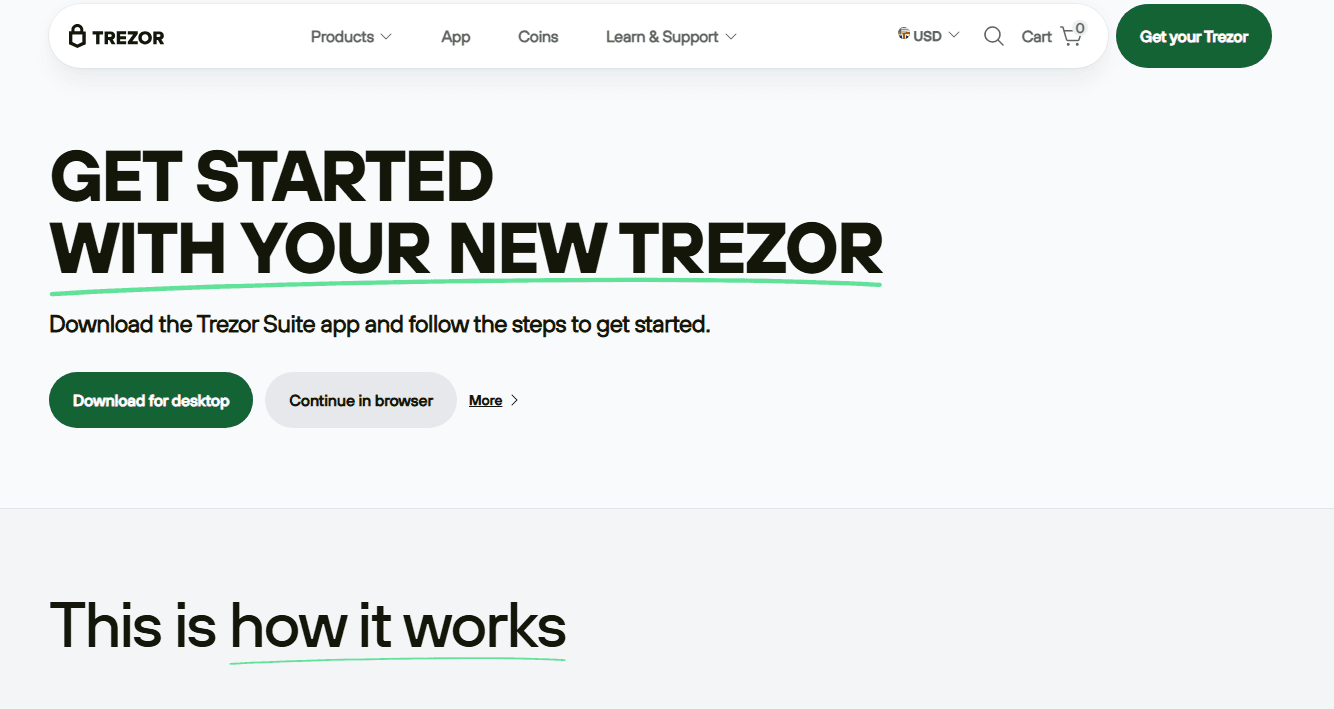
Trezor Login: Ultimate Guide to Accessing and Managing Your Trezor Wallet
Trezor is a premier hardware wallet provider renowned for its security in cryptocurrency management. Whether you are a beginner or an experienced investor, Trezor login provides the secure gateway to access your wallet, monitor balances, and manage transactions safely. This guide covers everything from logging in, securing your wallet, troubleshooting issues, and managing multiple cryptocurrencies efficiently.
What is Trezor Login?
Trezor login refers to the process of securely accessing your Trezor wallet using Trezor Suite or the official web platform. Logging in allows you to manage your cryptocurrencies while keeping private keys offline. Both Trezor One and Trezor Model T devices are fully supported, and every login requires physical confirmation on the device to maintain maximum security.
Using the official Trezor login process minimizes the risk of phishing attacks and ensures your crypto assets remain protected.
Why Trezor Login is Important
Logging in to your Trezor wallet is critical because it:
Provides secure access to your cryptocurrency accounts
Enables you to monitor balances and track portfolio performance
Allows sending and receiving funds safely
Grants access to install and manage cryptocurrency apps
Keeps your private keys offline and secure
Without proper login procedures, your wallet and assets may be at risk.
Requirements for Trezor Login
Before performing a Trezor login, ensure you have:
A Trezor hardware wallet (Trezor One or Model T)
A computer or mobile device with internet access
Trezor Suite installed or access to the official Trezor login page
A USB or USB-C cable to connect your device
Your PIN code and recovery seed ready for verification
Having these items prepared ensures a smooth and secure login.
Step-by-Step Guide to Trezor Login
Step 1: Connect Your Trezor Device
Use a USB or USB-C cable to connect your wallet to your computer
Turn on your device
Trezor Suite should automatically detect your hardware wallet
Step 2: Open Trezor Suite
Launch Trezor Suite on your device, or visit the official Trezor login web page
Verify you are using the official platform to prevent phishing
Follow the prompts to begin login
Step 3: Enter Your PIN
Input the PIN you set during initial wallet setup
Carefully follow the on-screen instructions
The PIN protects your wallet from unauthorized access
Step 4: Enter Passphrase (Optional)
If you enabled a passphrase, enter it during login
Passphrases provide an additional layer of security for sensitive funds
Step 5: Access Your Wallet Dashboard
After login, you will see your portfolio overview
Check balances, transaction history, and installed apps
Start managing your cryptocurrencies safely
Security Best Practices for Trezor Login
To ensure secure access:
Use Only Official Software: Avoid third-party login portals
Keep Recovery Seed Offline: Never share or store it digitally
Use a Strong PIN: Protects your wallet from unauthorized access
Confirm Transactions on Device: Always approve physically
Keep Firmware Updated: Ensures protection against vulnerabilities
Managing Your Wallet After Login
After successfully logging in, Trezor Suite allows you to:
Monitor Balances: Track all your cryptocurrencies
Send and Receive Funds: Make secure transactions
Install Additional Apps: Manage multiple cryptocurrencies
Enable Passphrase Protection: Extra layer of security
Track Portfolio Performance: View transaction history and allocation
Trezor login gives you full control over your digital assets.
Using Trezor Login on Mobile Devices
Trezor login works on mobile devices as well:
Download Trezor Suite from the App Store or Google Play
Connect your Trezor device via USB or compatible adapter
Launch the app and pair with your device
Enter your PIN and passphrase if applicable
Manage your portfolio securely on mobile
Common Issues During Trezor Login
Even experienced users may face issues. Here’s how to troubleshoot:
Device Not Detected
Check the USB connection and cable
Restart Trezor Suite and reconnect the device
Ensure firmware is updated
Incorrect PIN Entry
Enter the PIN carefully
Multiple incorrect attempts may temporarily lock your device
Use the recovery seed to regain access if necessary
Accounts Not Displayed
Ensure the device is connected and unlocked
Restart Trezor Suite
Update firmware or apps if needed
Security Tips for Safe Trezor Login
Avoid logging in using public Wi-Fi
Keep your recovery seed offline and secure
Always confirm transactions on your device
Use passphrase protection for added security
Follow only official Trezor instructions
Advantages of Using Trezor Login
Secure Access: Private keys remain offline
Step-by-Step Guidance: Simplifies wallet management
Multi-Currency Support: Manage all cryptocurrencies in one place
Advanced Security Features: PIN, recovery seed, and passphrase
Cross-Platform Compatibility: Desktop and mobile login supported
Common Mistakes to Avoid During Login
Using unofficial websites or apps
Sharing your PIN or recovery seed
Logging in via public networks
Skipping firmware updates
Ignoring device verification for transactions
Restoring Wallet After Trezor Login Issues
If you lose access to your wallet:
Acquire a new Trezor device
Download Trezor Suite from the official website
Restore using your recovery seed
Set a new PIN code
Reinstall cryptocurrency apps
This ensures uninterrupted access to your assets.
Trezor Login vs Software Wallet Login
Using a Trezor hardware wallet provides advantages over software wallets:
Keys Stay Offline: Reduces hacking risks
Physical Transaction Confirmation: Adds an extra layer of security
Offline Storage: Protected from malware and phishing
Full Backup Control: Recovery seed managed by the user
Trezor login guarantees secure, long-term management of cryptocurrencies.
Managing Multiple Cryptocurrencies After Login
After Trezor login, users can:
Manage Bitcoin, Ethereum, and other major coins
Add stablecoins and ERC-20 tokens
Track balances, transactions, and portfolio performance
Stake supported coins
Execute secure transactions verified by the device